Buy effizient.eu ?
We are moving the project
effizient.eu .
Are you interested in purchasing the domain
effizient.eu ?
domain@kv-gmbh.de · 0541-91531010
Buy effizient.eu ?
How are Latin subjunctive subordinate clauses still translated with the subjunctive?
Latin subjunctive subordinate clauses are still translated with the subjunctive in English to convey the same sense of uncertainty, possibility, or doubt. In English, the subjunctive mood is used to express hypothetical or unreal situations, wishes, recommendations, or demands. Therefore, when translating Latin subjunctive subordinate clauses, the English subjunctive is used to maintain the same mood and meaning of the original Latin sentence. **
Perhaps, subjunctive or indicative?
The choice between subjunctive or indicative depends on the context of the sentence. The subjunctive mood is used to express hypothetical or uncertain situations, wishes, recommendations, or doubts. On the other hand, the indicative mood is used for statements of fact or certainty. Therefore, if the sentence is expressing a possibility, doubt, or desire, the subjunctive mood would be more appropriate. **

Similar search terms for Subjunctive
Top-Angebote
Products related to Subjunctive:
-
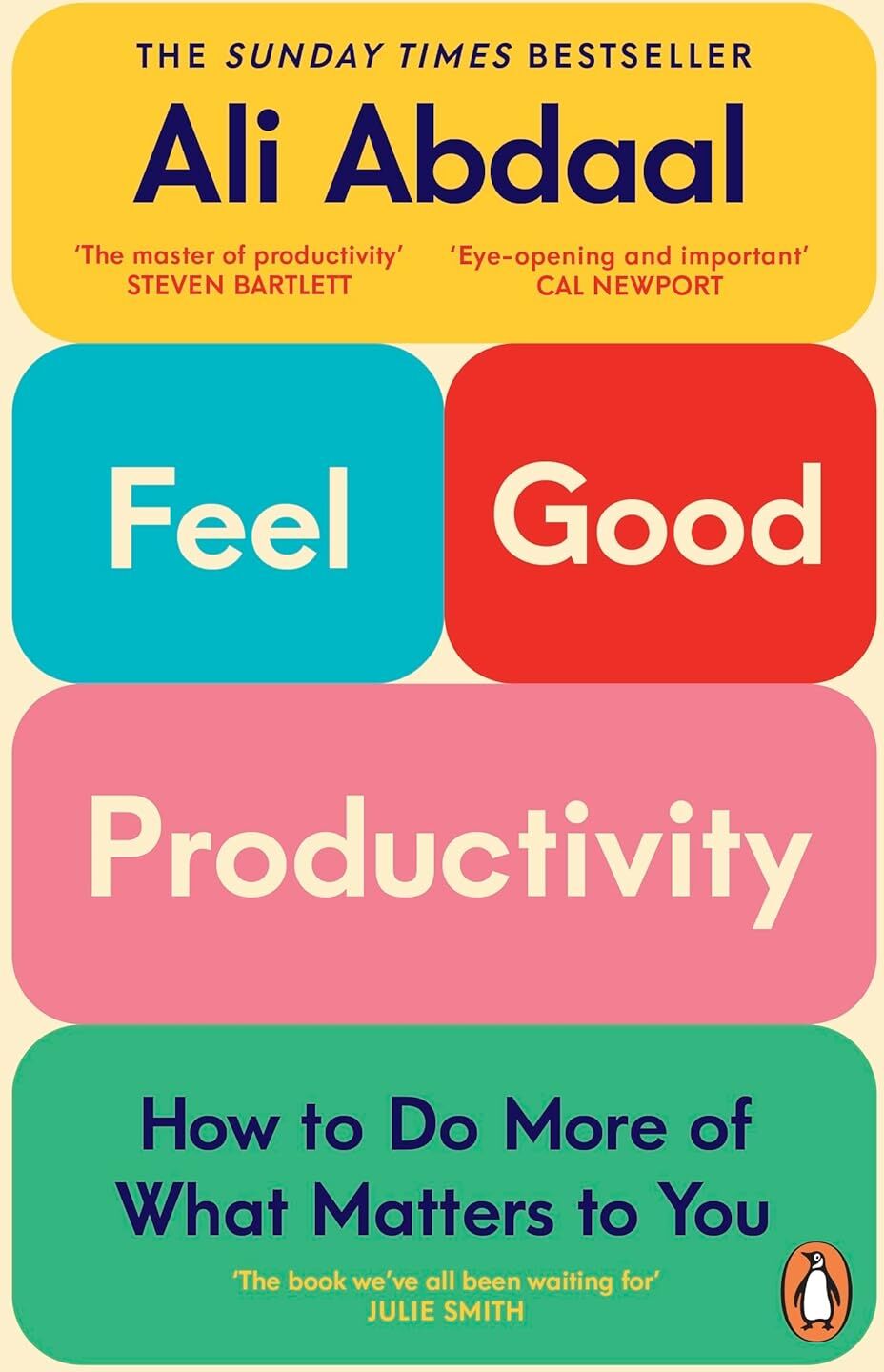
Cornerstone Feel-Good Productivity by Ali Abdaal - Paperback - Bestselling Self-Help & Productivity Book for AdultsDiscover a new approach to productivity with Feel-Good Productivity by Ali Abdaal. This non-fiction paperback book offers a guide to achieving more by finding genuine joy in your work, rather than relying on discipline and willpower. Backed by psychological research and Abdaal's own experience balancing medicine, business, and content creation, the book reframes productivity as a by-product of happiness. It's aimed at anyone feeling stuck in hustle culture and searching for a sustainable, guilt-free way to get things done while protecting their wellbeing and energy. In Feel-Good Productivity, Ali Abdaal dismantles the myth that success requires relentless grind and iron discipline. Instead, he presents a framework built around three 'energisers' — play, power, and people — showing readers how to inject more joy into everyday tasks so that motivation follows naturally rather than being forced. Drawing on peer-reviewed psychology, behaviour, and real-world experience, this book provides a fresh perspective on productivity and happiness.5,99 £*Shipping: 2,99 £Secure redirect to the provider
-
Pfizer Effective Erectile Dysfunction TreatmentOne of the most popular erectile dysfunction medications, clinically proven and used by millions of men worldwide. Viagra Connect is the first erectile dysfunction medication available without needing a prescription.9,99 £*Shipping: 2,90 £Secure redirect to the provider
-
Revolution Streamline creamy eye pencil shade Green 1.3 gRevolution Streamline, 1.3 g, Eye Pencil for Women, Do you want to accentuate your eye contours and draw attention to your eyes? Revolution Streamline will help you do just that. It gives your look additional intensity and drama, accentuating the effects of any additional makeup products. Its easy-to-apply texture allows you to line your eyes precisely with bold, rich colour in just one stroke, framing your eyes perfectly and enhancing their beauty. No matter the occasion, it makes it quick and easy to achieve a perfect makeup look that lasts. Characteristics: rich and intense colour draws precise lines ultra-thin applicator Ingredients: vegan product How to use: Draw the liner gently across the eyelid. Leave to dry.3,32 £*Shipping: 3,99 £Secure redirect to the provider



-
Maybe subjunctive or indicative?
The choice between subjunctive or indicative depends on the context of the sentence. The subjunctive mood is used to express doubt, uncertainty, desire, or hypothetical situations, while the indicative mood is used for statements of fact or certainty. To determine whether to use subjunctive or indicative, consider the verb's relationship to reality and whether it is expressing a fact or a possibility. **
-
Conditional, subjunctive or indicative?
The choice between conditional, subjunctive, or indicative mood depends on the context of the sentence. The conditional mood is used to express a hypothetical situation or a condition that is dependent on something else happening. The subjunctive mood is used to express wishes, recommendations, or possibilities. The indicative mood is used to state facts or ask questions. **
-
What is the use of the present subjunctive and the past subjunctive?
The present subjunctive is used to express desires, doubts, wishes, or hypothetical situations in the present or future. It is often used after certain verbs and conjunctions that indicate uncertainty or subjectivity. The past subjunctive, on the other hand, is used to express desires, doubts, wishes, or hypothetical situations in the past. It is often used in the same way as the present subjunctive, but in reference to past events or situations. Both subjunctive forms are used to convey uncertainty or subjectivity in a sentence. **
-
Are the subjunctive I and the subjunctive II present in all tenses?
No, the subjunctive I and subjunctive II are not present in all tenses. The subjunctive I is only present in the present tense, while the subjunctive II is present in the past tense. The subjunctive I is used to express wishes, suggestions, or hypothetical situations in the present, while the subjunctive II is used to express wishes, suggestions, or hypothetical situations in the past. Each tense has its own specific form of the subjunctive mood. **


'It is strange that + subjunctive'
It is strange that she should be so calm in such a chaotic situation. **
When is the subjunctive used?
The subjunctive is used to express desires, doubts, wishes, possibilities, recommendations, or hypothetical situations. It is often used in dependent clauses following certain verbs or expressions that convey these meanings. The subjunctive mood is used to show uncertainty or subjectivity in a sentence, rather than stating a fact or certainty. It is important to pay attention to the context and the verb that triggers the use of the subjunctive in order to use it correctly. **
Top-Angebote
Products related to Subjunctive:
-
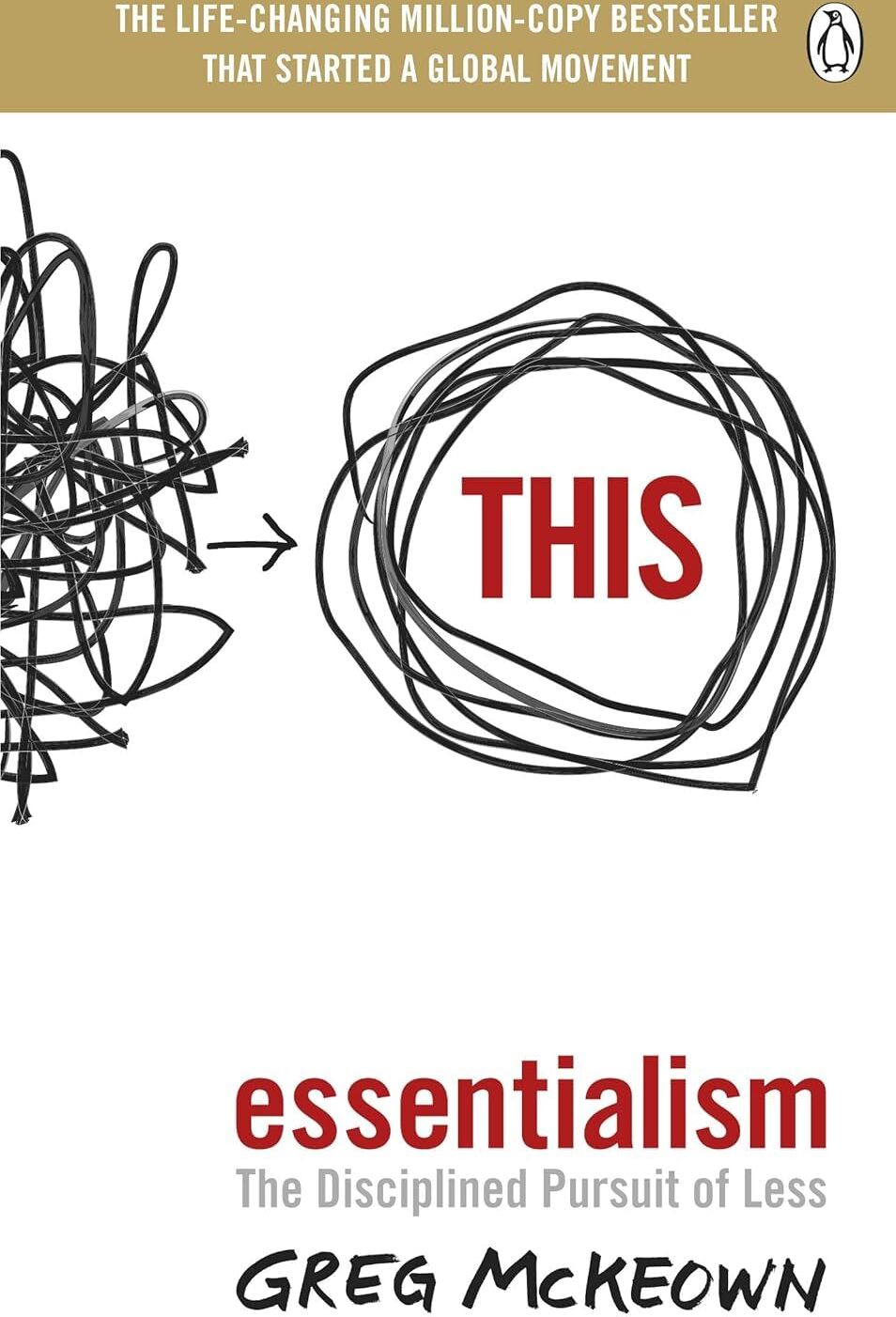
Virgin Books Greg McKeown 2 Book Set - Effortless & Essentialism - Paperback - Bestselling Personal Development & Productivity BooksThis Greg McKeown 2 Book Set brings together two of the biggest personal-development bestsellers of the last decade in one paperback bundle. Essentialism introduces the disciplined pursuit of less, while Effortless shows how to make the vital few tasks easier. Together they form a practical toolkit for anyone who feels overworked, offering a clear system for prioritizing what matters without burning out. Essentialism, the foundational bestseller, challenges the assumption that we must do it all. Drawing on experience advising leaders at Apple, Google, and Facebook, Greg McKeown lays out a systematic discipline for discerning what is truly essential, eliminating everything that is not, and removing obstacles that stand in the way. The books are in new condition and published by Virgin Books.18,99 £*Shipping: 2,99 £Secure redirect to the provider
-
Drop Dash Deals Idle Control & Throttle Position Sensors For Chevrolet Optimize Engine Performance Idle Control & Throttle Position Sensors For Chevrolet Optimize Engine PerformanceEnhance your engines performance with this premium 1 pc of Throttle Position Sensor and Idle Control Sensor set, specially designed for the 19911995 Chevrolet C1500. If your vehicle is experiencing rough idling, stalling, or poor fuel efficiency,...89,97 $*Shipping: 0,00 $Secure redirect to the provider
-
Cornerstone Feel-Good Productivity by Ali Abdaal - Paperback - Bestselling Self-Help & Productivity Book for AdultsDiscover a new approach to productivity with Feel-Good Productivity by Ali Abdaal. This non-fiction paperback book offers a guide to achieving more by finding genuine joy in your work, rather than relying on discipline and willpower. Backed by psychological research and Abdaal's own experience balancing medicine, business, and content creation, the book reframes productivity as a by-product of happiness. It's aimed at anyone feeling stuck in hustle culture and searching for a sustainable, guilt-free way to get things done while protecting their wellbeing and energy. In Feel-Good Productivity, Ali Abdaal dismantles the myth that success requires relentless grind and iron discipline. Instead, he presents a framework built around three 'energisers' — play, power, and people — showing readers how to inject more joy into everyday tasks so that motivation follows naturally rather than being forced. Drawing on peer-reviewed psychology, behaviour, and real-world experience, this book provides a fresh perspective on productivity and happiness.5,99 £*Shipping: 2,99 £Secure redirect to the provider
-
How are Latin subjunctive subordinate clauses still translated with the subjunctive?
Latin subjunctive subordinate clauses are still translated with the subjunctive in English to convey the same sense of uncertainty, possibility, or doubt. In English, the subjunctive mood is used to express hypothetical or unreal situations, wishes, recommendations, or demands. Therefore, when translating Latin subjunctive subordinate clauses, the English subjunctive is used to maintain the same mood and meaning of the original Latin sentence. **
-
Perhaps, subjunctive or indicative?
The choice between subjunctive or indicative depends on the context of the sentence. The subjunctive mood is used to express hypothetical or uncertain situations, wishes, recommendations, or doubts. On the other hand, the indicative mood is used for statements of fact or certainty. Therefore, if the sentence is expressing a possibility, doubt, or desire, the subjunctive mood would be more appropriate. **
-
Maybe subjunctive or indicative?
The choice between subjunctive or indicative depends on the context of the sentence. The subjunctive mood is used to express doubt, uncertainty, desire, or hypothetical situations, while the indicative mood is used for statements of fact or certainty. To determine whether to use subjunctive or indicative, consider the verb's relationship to reality and whether it is expressing a fact or a possibility. **
-
Conditional, subjunctive or indicative?
The choice between conditional, subjunctive, or indicative mood depends on the context of the sentence. The conditional mood is used to express a hypothetical situation or a condition that is dependent on something else happening. The subjunctive mood is used to express wishes, recommendations, or possibilities. The indicative mood is used to state facts or ask questions. **
Similar search terms for Subjunctive
-
Pfizer Effective Erectile Dysfunction TreatmentOne of the most popular erectile dysfunction medications, clinically proven and used by millions of men worldwide. Viagra Connect is the first erectile dysfunction medication available without needing a prescription.9,99 £*Shipping: 2,90 £Secure redirect to the provider
-
Revolution Streamline creamy eye pencil shade Green 1.3 gRevolution Streamline, 1.3 g, Eye Pencil for Women, Do you want to accentuate your eye contours and draw attention to your eyes? Revolution Streamline will help you do just that. It gives your look additional intensity and drama, accentuating the effects of any additional makeup products. Its easy-to-apply texture allows you to line your eyes precisely with bold, rich colour in just one stroke, framing your eyes perfectly and enhancing their beauty. No matter the occasion, it makes it quick and easy to achieve a perfect makeup look that lasts. Characteristics: rich and intense colour draws precise lines ultra-thin applicator Ingredients: vegan product How to use: Draw the liner gently across the eyelid. Leave to dry.3,32 £*Shipping: 3,99 £Secure redirect to the provider
-
Revolution Streamline creamy eye pencil shade Ivory 1.3 gRevolution Streamline, 1.3 g, Eye Pencil for Women, Do you want to accentuate your eye contours and draw attention to your eyes? Revolution Streamline will help you do just that. It gives your look additional intensity and drama, accentuating the effects of any additional makeup products. Its easy-to-apply texture allows you to line your eyes precisely with bold, rich colour in just one stroke, framing your eyes perfectly and enhancing their beauty. No matter the occasion, it makes it quick and easy to achieve a perfect makeup look that lasts. Characteristics: rich and intense colour draws precise lines ultra-thin applicator Ingredients: vegan product How to use: Draw the liner gently across the eyelid. Leave to dry.2,89 £*Shipping: 3,99 £Secure redirect to the provider
-
Revolution Streamline creamy eye pencil shade Brown 1.3 gRevolution Streamline, 1.3 g, Eye Pencil for Women, Do you want to accentuate your eye contours and draw attention to your eyes? Revolution Streamline will help you do just that. It gives your look additional intensity and drama, accentuating the effects of any additional makeup products. Its easy-to-apply texture allows you to line your eyes precisely with bold, rich colour in just one stroke, framing your eyes perfectly and enhancing their beauty. No matter the occasion, it makes it quick and easy to achieve a perfect makeup look that lasts. Characteristics: rich and intense colour draws precise lines ultra-thin applicator Ingredients: vegan product How to use: Draw the liner gently across the eyelid. Leave to dry.3,40 £*Shipping: 3,99 £Secure redirect to the provider
-
What is the use of the present subjunctive and the past subjunctive?
The present subjunctive is used to express desires, doubts, wishes, or hypothetical situations in the present or future. It is often used after certain verbs and conjunctions that indicate uncertainty or subjectivity. The past subjunctive, on the other hand, is used to express desires, doubts, wishes, or hypothetical situations in the past. It is often used in the same way as the present subjunctive, but in reference to past events or situations. Both subjunctive forms are used to convey uncertainty or subjectivity in a sentence. **
-
Are the subjunctive I and the subjunctive II present in all tenses?
No, the subjunctive I and subjunctive II are not present in all tenses. The subjunctive I is only present in the present tense, while the subjunctive II is present in the past tense. The subjunctive I is used to express wishes, suggestions, or hypothetical situations in the present, while the subjunctive II is used to express wishes, suggestions, or hypothetical situations in the past. Each tense has its own specific form of the subjunctive mood. **
-
'It is strange that + subjunctive'
It is strange that she should be so calm in such a chaotic situation. **
-
When is the subjunctive used?
The subjunctive is used to express desires, doubts, wishes, possibilities, recommendations, or hypothetical situations. It is often used in dependent clauses following certain verbs or expressions that convey these meanings. The subjunctive mood is used to show uncertainty or subjectivity in a sentence, rather than stating a fact or certainty. It is important to pay attention to the context and the verb that triggers the use of the subjunctive in order to use it correctly. **
* All prices are inclusive of VAT and, if applicable, plus shipping costs. The offer information is based on the details provided by the respective shop and is updated through automated processes. Real-time updates do not occur, so deviations can occur in individual cases. ** Note: Parts of this content were created by AI.