Buy effizient.eu ?
We are moving the project
effizient.eu .
Are you interested in purchasing the domain
effizient.eu ?
domain@kv-gmbh.de · 0541-91531010
Buy effizient.eu ?
What is a Ridex cabin air filter?
A Ridex cabin air filter is a type of air filter designed specifically for the cabin of a vehicle. It is installed in the HVAC system of the car to help improve the air quality inside the cabin by filtering out dust, pollen, and other airborne particles. This can help reduce allergens and pollutants inside the vehicle, creating a cleaner and healthier environment for the occupants. Ridex cabin air filters are typically made with high-quality materials and are designed to be a direct replacement for the original filter in the vehicle. **
What does the fuel low-pressure sensor do?
The fuel low-pressure sensor is responsible for monitoring the pressure of the fuel in the fuel system. It detects when the fuel pressure drops below a certain threshold, indicating that there may be an issue with the fuel system such as a leak or a clog. When the sensor detects low fuel pressure, it sends a signal to the vehicle's engine control unit (ECU) to alert the driver through a warning light on the dashboard. This helps prevent potential damage to the engine and ensures the vehicle operates efficiently. **

Similar search terms for RIDEX-3942S0030-Fuel-pressure
Top-Angebote
Products related to RIDEX-3942S0030-Fuel-pressure:
-
RIDEX 168C0015 Fuel pressure regulatorOperating Mode: Electric; Engine Code: XU5JPZ, XU7JPK/TR, XU10J2CK, XU7JPZ, XU10J2CZ, TU2J2, XU10J2U, XU7JP/L3, XU7JP, XU7JP/K; Construction Year from: 01/1997, 01/1994; Construction Year to: 12/1997, 04/199529,99 £*Shipping: 8,45 £Secure redirect to the provider
-
RIDEX 3942S0056 Fuel pressure sensorSupplementary Article / Supplementary Info Info 2: High-pressure Side; Fuel Mixture Formation: Direct Injection; Number of pins: 3; Construction Year to: 03/2015, 08/2015, 07/2015, 08/2016, 12/2014, 07/2013, 12/2017, 08/2014, 12/2018, 12/2016, 04/2018; TecDoc Engine Number: 25877, 25878, 26478, 33182, 26479, 33179, 33180, 28261, 31109, 31086, 32681, 35267, 35708, 35709; Construction Year from: 01/2011, 09/2013, 09/2012, 11/2012, 04/2014, 08/2014, 10/2014, 05/2018; Engine Code: M2D...<Euro 6>, SFD...<Euro 5>, M2DC<Euro 6>, YYJF<Euro 6>, M1DD<Euro 6>23,99 £*Shipping: 8,45 £Secure redirect to the provider

-
What does the low-pressure fuel sensor do?
The low-pressure fuel sensor is responsible for monitoring the fuel pressure in the fuel system of a vehicle. It detects any fluctuations or drops in fuel pressure and sends this information to the engine control unit. This data helps the engine control unit adjust the fuel delivery to ensure optimal engine performance and fuel efficiency. If the sensor detects a significant drop in fuel pressure, it can trigger a warning light on the dashboard to alert the driver of a potential issue. **
-
What is an effective learning method under time pressure?
An effective learning method under time pressure is to prioritize the most important information and focus on key concepts. This can be done by creating a study guide or summary of the material to quickly review. Additionally, practicing active recall by testing yourself on the material can help reinforce your understanding in a shorter amount of time. Lastly, breaking up study sessions into shorter, focused intervals with breaks in between can help maintain focus and retention of information. **
-
At what pressure does air become so hot that it ignites the fuel in a diesel engine?
Air becomes so hot that it ignites the fuel in a diesel engine at a pressure of around 500 psi (pounds per square inch). This high pressure causes the air to reach temperatures of over 1,000 degrees Fahrenheit, which is hot enough to ignite the diesel fuel without the need for a spark plug. This process is known as compression ignition, and it is the key principle behind the operation of diesel engines. **
-
High pressure or low pressure?
High pressure systems are associated with fair weather conditions, clear skies, and light winds. Low pressure systems, on the other hand, are associated with unsettled weather, cloudiness, and precipitation. High pressure generally brings stable and calm conditions, while low pressure often brings stormy and windy weather. **


Do turbo engines have the issue in low partial load operation that the effective overall compression is too low due to low boost pressure, causing higher fuel consumption?
Yes, turbo engines can have the issue of low effective overall compression in low partial load operation due to low boost pressure. This can result in incomplete combustion of the fuel-air mixture, leading to higher fuel consumption. To address this issue, turbo engines may incorporate technologies such as variable geometry turbochargers or electrically assisted turbochargers to optimize boost pressure and improve fuel efficiency in low load conditions. **
Do turbo engines have the problem in low partial load operation that the effective overall compression is too low due to insufficient boost pressure, causing increased fuel consumption?
Turbo engines can indeed face the issue of low effective overall compression in low partial load operation if there is insufficient boost pressure. This can lead to increased fuel consumption as the engine may need to work harder to maintain performance levels. To address this issue, turbo engines may be equipped with technologies such as variable geometry turbochargers or electric turbochargers to optimize boost pressure and improve efficiency in various operating conditions. Regular maintenance and tuning of the turbo system can also help ensure optimal performance and fuel efficiency. **
Top-Angebote
Products related to RIDEX-3942S0030-Fuel-pressure:
-
RIDEX 3942S0030 Fuel pressure sensorNumber of pins: 3; Spanner Size: 24 mm; Supplementary Article / Supplementary Info Info 2: High-pressure Side; Connector Shape: D Shape; Socket colour: black; Engine Code: CDGA, BWS, CMTA, BLV, BEH, AXU, BAG, AXW, BKG, BLR, BLF, BLX, BHK, AXZ, BSX, BLN, CDVA, CHNA, CGRA; Fitting Position: from rail to injector, from rail to rail, High-pressure Pump (high-pressure side); Vehicle Identification Number (VIN) from: 1K--4--000 00117,99 £*Shipping: 8,45 £Secure redirect to the provider
-
RIDEX 3942S0013 Fuel pressure sensorNumber of pins: 3; Connecting thread: M12x1.5; TecDoc Engine Number: 20147; for RPO number from: 10101; for RPO number up to: 10618; Manufacturer Restriction: Bosch; Emissions Standard: Euro 3 (D3), Euro 4 (D4); Engine Code: DV6TED419,49 £*Shipping: 8,45 £Secure redirect to the provider
-
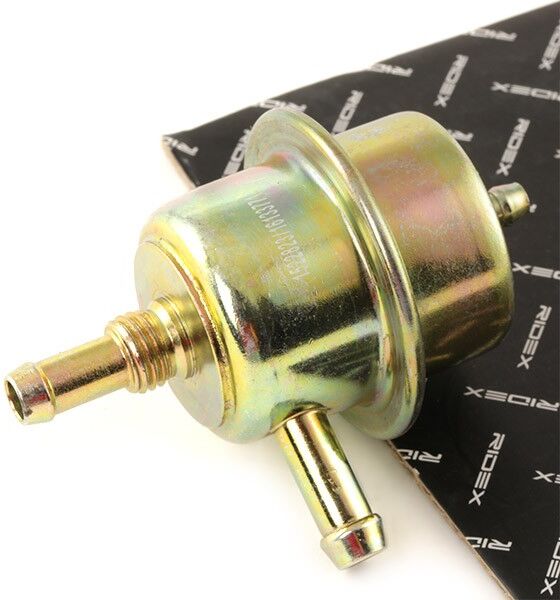
RIDEX 168C0015 Fuel pressure regulatorOperating Mode: Electric; Engine Code: XU5JPZ, XU7JPK/TR, XU10J2CK, XU7JPZ, XU10J2CZ, TU2J2, XU10J2U, XU7JP/L3, XU7JP, XU7JP/K; Construction Year from: 01/1997, 01/1994; Construction Year to: 12/1997, 04/199529,99 £*Shipping: 8,45 £Secure redirect to the provider
-
What is a Ridex cabin air filter?
A Ridex cabin air filter is a type of air filter designed specifically for the cabin of a vehicle. It is installed in the HVAC system of the car to help improve the air quality inside the cabin by filtering out dust, pollen, and other airborne particles. This can help reduce allergens and pollutants inside the vehicle, creating a cleaner and healthier environment for the occupants. Ridex cabin air filters are typically made with high-quality materials and are designed to be a direct replacement for the original filter in the vehicle. **
-
What does the fuel low-pressure sensor do?
The fuel low-pressure sensor is responsible for monitoring the pressure of the fuel in the fuel system. It detects when the fuel pressure drops below a certain threshold, indicating that there may be an issue with the fuel system such as a leak or a clog. When the sensor detects low fuel pressure, it sends a signal to the vehicle's engine control unit (ECU) to alert the driver through a warning light on the dashboard. This helps prevent potential damage to the engine and ensures the vehicle operates efficiently. **
-
What does the low-pressure fuel sensor do?
The low-pressure fuel sensor is responsible for monitoring the fuel pressure in the fuel system of a vehicle. It detects any fluctuations or drops in fuel pressure and sends this information to the engine control unit. This data helps the engine control unit adjust the fuel delivery to ensure optimal engine performance and fuel efficiency. If the sensor detects a significant drop in fuel pressure, it can trigger a warning light on the dashboard to alert the driver of a potential issue. **
-
What is an effective learning method under time pressure?
An effective learning method under time pressure is to prioritize the most important information and focus on key concepts. This can be done by creating a study guide or summary of the material to quickly review. Additionally, practicing active recall by testing yourself on the material can help reinforce your understanding in a shorter amount of time. Lastly, breaking up study sessions into shorter, focused intervals with breaks in between can help maintain focus and retention of information. **
Similar search terms for RIDEX-3942S0030-Fuel-pressure
-
RIDEX 3942S0056 Fuel pressure sensorSupplementary Article / Supplementary Info Info 2: High-pressure Side; Fuel Mixture Formation: Direct Injection; Number of pins: 3; Construction Year to: 03/2015, 08/2015, 07/2015, 08/2016, 12/2014, 07/2013, 12/2017, 08/2014, 12/2018, 12/2016, 04/2018; TecDoc Engine Number: 25877, 25878, 26478, 33182, 26479, 33179, 33180, 28261, 31109, 31086, 32681, 35267, 35708, 35709; Construction Year from: 01/2011, 09/2013, 09/2012, 11/2012, 04/2014, 08/2014, 10/2014, 05/2018; Engine Code: M2D...<Euro 6>, SFD...<Euro 5>, M2DC<Euro 6>, YYJF<Euro 6>, M1DD<Euro 6>23,99 £*Shipping: 8,45 £Secure redirect to the provider
-
RIDEX 168C0008 Fuel pressure regulatorOperating Mode: hydraulic; Pressure [bar]: 3,5; Pressure [psi]: 50,8; TecDoc Engine Number: 28380, 28376, 28378, 28388, 28410, 28389, 28397, 28398, 28382, 28390, 28391; Construction Year from: 07/1992; Production date to: 30.04.2002; TecDoc PC Type Number: 15894, 15895, 126077, 126078, 15266, 15269, 15270, 15272, 15454, 15455, 15456, 15457, 15925, 105995, 15271, 15273, 106008, 17176, 49, 52, 53, 3825, 50, 3726, 3811, 9201, 13259, 5110, 5098, 5102, 5103, 5109, 54, 55, 238, 251, 302, 241, 242, 252, 253, 303, 35674, 59, 61, 14186, 14427, 4623, 5052, 7745, 121968, 5093, 7747, 4628, 5095, 5099, 5100, 8784, 10502, 106006, 126080, 14397, 9091, 4624, 4627, 4629, 4630, 5094, 5105, 7746, 8829, 9090, 245, 255, 287, 3812, 3813, 250, 290, 3727, 3814, 4635, 5106, 5545, 121950, 13088, 5104, 5107, 5404, 7748, 124064, 13042, 3815, 3816, 124065, 249, 3846, 35772, 16328, 35769, 35773, 35776, 35796, 35801, 15924, 16325, 1674121,49 £*Shipping: 8,45 £Secure redirect to the provider
-
At what pressure does air become so hot that it ignites the fuel in a diesel engine?
Air becomes so hot that it ignites the fuel in a diesel engine at a pressure of around 500 psi (pounds per square inch). This high pressure causes the air to reach temperatures of over 1,000 degrees Fahrenheit, which is hot enough to ignite the diesel fuel without the need for a spark plug. This process is known as compression ignition, and it is the key principle behind the operation of diesel engines. **
-
High pressure or low pressure?
High pressure systems are associated with fair weather conditions, clear skies, and light winds. Low pressure systems, on the other hand, are associated with unsettled weather, cloudiness, and precipitation. High pressure generally brings stable and calm conditions, while low pressure often brings stormy and windy weather. **
-
Do turbo engines have the issue in low partial load operation that the effective overall compression is too low due to low boost pressure, causing higher fuel consumption?
Yes, turbo engines can have the issue of low effective overall compression in low partial load operation due to low boost pressure. This can result in incomplete combustion of the fuel-air mixture, leading to higher fuel consumption. To address this issue, turbo engines may incorporate technologies such as variable geometry turbochargers or electrically assisted turbochargers to optimize boost pressure and improve fuel efficiency in low load conditions. **
-
Do turbo engines have the problem in low partial load operation that the effective overall compression is too low due to insufficient boost pressure, causing increased fuel consumption?
Turbo engines can indeed face the issue of low effective overall compression in low partial load operation if there is insufficient boost pressure. This can lead to increased fuel consumption as the engine may need to work harder to maintain performance levels. To address this issue, turbo engines may be equipped with technologies such as variable geometry turbochargers or electric turbochargers to optimize boost pressure and improve efficiency in various operating conditions. Regular maintenance and tuning of the turbo system can also help ensure optimal performance and fuel efficiency. **
* All prices are inclusive of VAT and, if applicable, plus shipping costs. The offer information is based on the details provided by the respective shop and is updated through automated processes. Real-time updates do not occur, so deviations can occur in individual cases. ** Note: Parts of this content were created by AI.